Exploring Holistic Wellness: Lifestyle, Nutrition, and Natural Strategies for Balanced Well-being
Understanding Holistic Well-being
Holistic well-being refers to the integrated state of physical, mental, emotional, and social health. It is not merely the absence of disease, but a comprehensive approach to living that considers the interconnectedness of all aspects of human experience. This perspective recognizes that wellness extends beyond individual body systems—it encompasses how we nourish ourselves, manage stress, move our bodies, rest, and connect with others and our environment.
Key Dimensions of Holistic Well-being
- Physical Wellness: The foundation of overall health, encompassing nutrition, movement, sleep, and bodily function.
- Mental Wellness: Cognitive clarity, focus, learning capacity, and mental resilience.
- Emotional Wellness: The ability to recognize, express, and manage feelings in a balanced way.
- Social Wellness: The quality of relationships, community engagement, and sense of belonging.
- Environmental Wellness: The impact of surroundings on well-being, including air quality, light, and access to nature.

The Role of Balanced Nutrition
Nutrition serves as the cornerstone of physical wellness. The foods we consume provide the building blocks and energy necessary for every bodily function, from cellular repair to immune function. A balanced approach to nutrition considers not just calories, but the quality and variety of nutrients that sustain health and vitality.
Key Nutritional Components
- Macronutrients (Carbohydrates, Proteins, Fats): Provide energy and structure for cellular function.
- Micronutrients (Vitamins & Minerals): Support metabolism, bone health, and immune response.
- Fiber: Essential for digestive health and sustained energy release.
- Phytonutrients: Beneficial compounds found in plant foods that support overall cellular health.
Incorporating Mindful Movement
Physical activity is fundamental to maintaining health and vitality. However, the approach matters. Mindful movement—whether walking, stretching, yoga, or other gentle practices—emphasizes quality over intensity. It allows us to strengthen the body while cultivating awareness and presence, creating a sustainable relationship with physical wellness.
Benefits of Consistent Movement
- Enhanced cardiovascular function and circulation
- Improved muscle tone and joint flexibility
- Better mood regulation through natural endorphin production
- Enhanced sleep quality and rest
- Increased mental clarity and focus
- Greater resilience to daily stress
Stress Management Techniques
Modern life brings constant demands and stimulation. Understanding how to manage stress is essential for maintaining both mental and physical health. Stress, if left unaddressed, can impact sleep, digestion, immune function, and emotional resilience. Fortunately, there are numerous accessible methods to cultivate calm and balance.

Deep Breathing
Controlled breathing activates the parasympathetic nervous system, signaling the body to relax. Techniques such as diaphragmatic breathing reduce heart rate, lower cortisol, and promote immediate calm.
Nature Exposure
Time spent in natural environments reduces stress hormones, improves mood, and enhances cognitive function. Even brief periods outdoors can have measurable wellness benefits.
Journaling & Reflection
Writing allows for emotional processing and mental clarity. Journaling practices help organize thoughts, reduce anxiety, and cultivate self-awareness and mindfulness.
Sleep Hygiene for Vitality
Quality sleep is non-negotiable for health. During sleep, the body repairs tissues, consolidates memory, regulates hormones, and supports immune function. Yet many people struggle with sleep due to modern habits and stressors. Sleep hygiene refers to practices that optimize sleep conditions and quality.
Practices for Better Sleep
- Maintain a consistent sleep schedule, even on weekends
- Create a cool, dark, quiet sleeping environment
- Limit screen exposure 1-2 hours before bedtime
- Avoid caffeine and heavy meals close to bedtime
- Incorporate relaxation practices such as gentle stretching or meditation before sleep
- Ensure the mattress and pillows provide adequate support
- Keep the bedroom reserved primarily for sleep and rest
Environmental Factors and Health
The environment in which we live profoundly influences our well-being. Air quality, exposure to natural light, access to green spaces, and even noise levels affect physical health, mood, cognitive function, and stress levels. Creating or choosing an environment that supports wellness is an often-overlooked aspect of holistic health.
Key Environmental Considerations
- Air Quality: Clean air supports respiratory and cardiovascular health.
- Natural Light: Exposure to daylight regulates circadian rhythms and mood.
- Green Spaces: Access to plants and nature reduces stress and improves mental health.
- Noise Levels: Excessive noise can elevate stress hormones and disrupt sleep.

Natural Ingredients in Dietary Approaches
Throughout history, natural ingredients have been incorporated into dietary practices to support health and wellness. When understood in an informational context, knowledge about these ingredients enhances our ability to make conscious nutritional choices and create nourishing meals.

Ginger
A warming root with a distinctive flavor profile. Traditionally valued in various dietary traditions for its aromatic properties and use in supporting digestive comfort and overall wellness.

Turmeric
A golden spice containing curcumin, known for its rich color and flavor. Commonly used in culinary traditions around the world as both a flavoring agent and a valued dietary component.
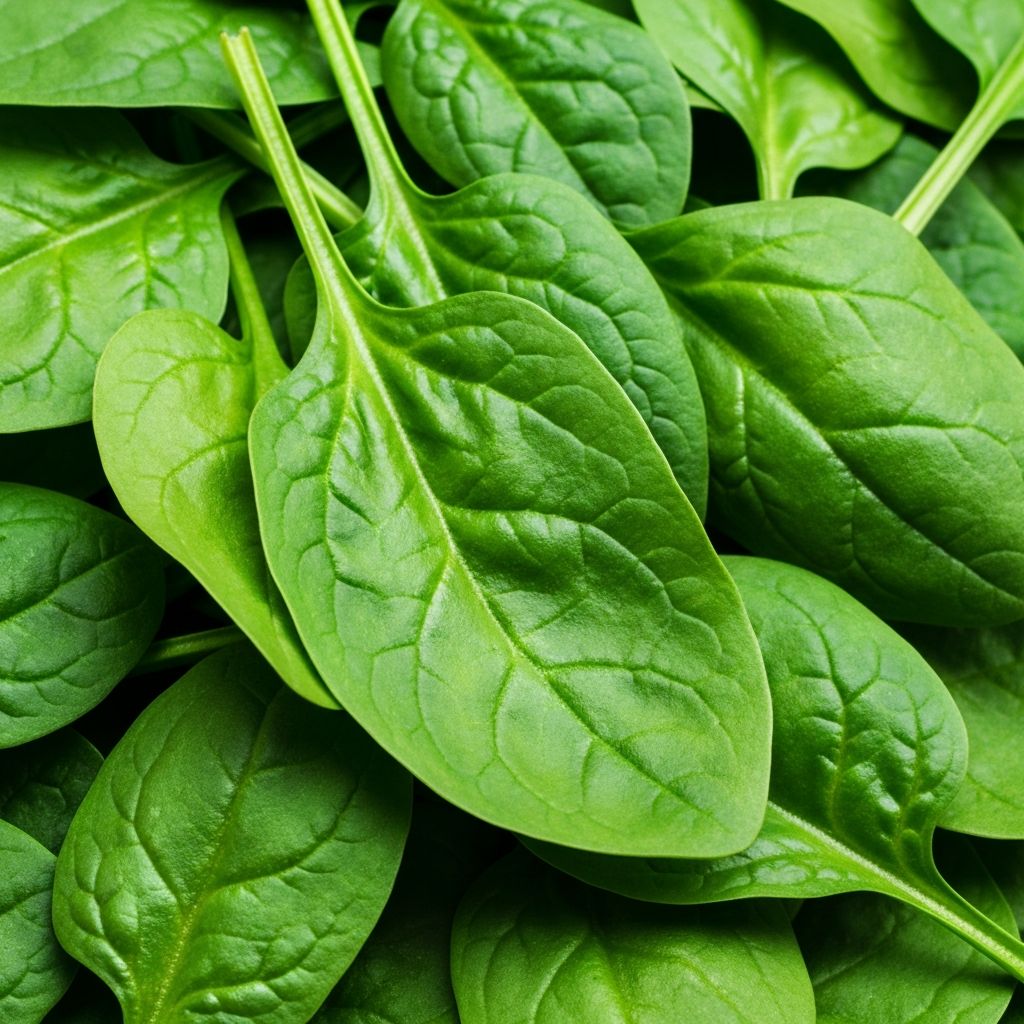
Spinach
A nutrient-dense green vegetable rich in vitamins, minerals, and plant compounds. A staple in balanced diets worldwide for its nutritional profile and culinary versatility.
Hydration and Its Importance
Water is fundamental to all bodily functions. It regulates temperature, transports nutrients, eliminates waste, lubricates joints, and protects organs. Yet dehydration is common, particularly in modern environments with increased activity, caffeine consumption, and climate control. Understanding hydration needs supports overall wellness.
General guidance suggests consuming adequate water throughout the day, with individual needs varying based on activity level, climate, and overall health. Most health approaches emphasize responsive hydration—drinking water when thirsty—paired with awareness of how various foods (particularly fruits and vegetables) contribute to overall fluid intake. Clean water remains the optimal source of hydration.
Seasonal Eating Principles
Seasonal eating—the practice of consuming foods that are naturally abundant during different times of the year—connects us to natural cycles and often provides fresher, more nutritious produce. Fruits and vegetables harvested in their natural season typically contain higher nutrient density and have traveled shorter distances.
| Season | Examples |
|---|---|
| Spring | Asparagus, radishes, fresh greens, artichokes, peas, strawberries |
| Summer | Tomatoes, cucumbers, zucchini, berries, melons, stone fruits, bell peppers |
| Autumn | Squash, pumpkins, apples, pears, grapes, mushrooms, root vegetables |
| Winter | Root vegetables, cruciferous greens, citrus fruits, pears, pomegranates, nuts |
The Power of Community and Connection
Humans are inherently social beings. Quality relationships and a sense of community are as vital to health as proper nutrition and movement. Social connections reduce stress, provide emotional support, enhance cognitive function, and contribute meaningfully to longevity and overall well-being.
Ways to Foster Community and Connection
- Engage in regular meaningful conversations with friends and family
- Participate in group activities or classes aligned with your interests
- Volunteer in your community to create purpose and connection
- Join interest-based groups or clubs that align with your values
- Attend local events and gatherings
- Maintain presence during meals and social interactions without digital distractions
- Practice active listening and empathy in relationships
Limitations and Context
This site provides educational content only. No promises of outcomes.
The information presented on this website is for educational and informational purposes only. It does not constitute professional medical advice, diagnosis, or treatment. The content explains concepts, describes phenomena, and provides context—it does not advise specific actions or decisions.
- Individual wellness needs vary significantly based on personal health status, genetics, lifestyle, and circumstances
- This content does not replace consultation with qualified healthcare professionals
- Different approaches to wellness exist, and what works for one person may differ for another
- Any significant health changes should be discussed with a qualified medical practitioner